Print #24 — LED Diffuser Lamp: Let there be light
A 3D printer isn’t just a machine for making plastic toys; it’s a manufacturing tool that can build real, functional home appliances. But to...
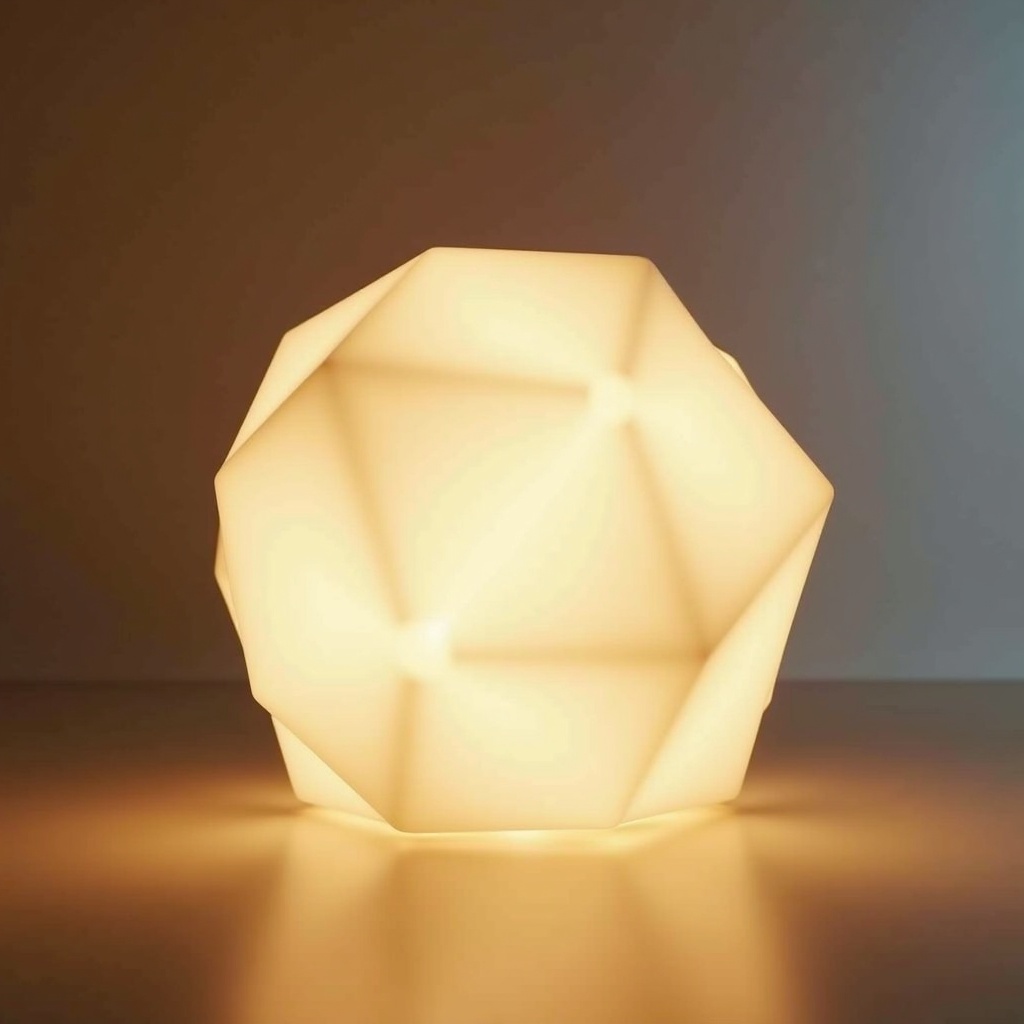
A 3D printer isn’t just a machine for making plastic toys; it’s a manufacturing tool that can build real, functional home appliances. But to do that, you have to bridge the gap between static plastic and active electronics. Today, we're building a custom LED lamp, and it's time to introduce a new superpower to your arsenal: translucency.
Printing a light diffuser requires a shift in how you think about materials. We are switching from standard opaque PLA to translucent PETG. This material not only handles the mild heat generated by LED strips better than PLA, but its natural milky transparency is perfect for scattering light evenly, turning harsh LED diodes into a soft, ambient glow.
The concept: Translucency and Wall Thickness
When printing a diffuser, your wall thickness directly controls the brightness and diffusion of the light. Too thin, and you'll see the individual LED dots (the "hotspots"). Too thick, and the light won't shine through at all. Finding the sweet spot—usually between 0.8mm and 1.2mm—is the key to a professional-looking lamp.
Recommended settings
- Material: Translucent or "Natural" PETG.
- Layer height: 0.2mm (thicker layers can actually improve light transmission by reducing the number of layer lines the light has to pass through).
- Wall lines (Perimeters): 2 to 3 walls. Alternatively, you can use Vase Mode for a very thin, bright diffuser.
- Infill: 0% (Infill patterns will cast ugly shadows on your diffuser).
- Hotend Temperature: 235-245°C for PETG.
What can go wrong
- Stringing: PETG is notorious for leaving hairy strings inside the print, which will block light. Fix: Dry your filament before printing and slightly increase your retraction distance.
- Visible LED hotspots: You can clearly see the individual LED bulbs through the plastic. Fix: Move the LED strip further away from the diffuser wall, or increase your wall thickness by adding an extra perimeter.
- The lamp melts: The LEDs generated too much heat for PLA. Fix: Always use PETG or ABS for light fixtures, as their glass transition temperature is higher.
Why this print matters
This project proves that 3D printing is just one part of the maker ecosystem. By combining a printed shell with a simple, cheap LED strip from Amazon, you’ve crossed the line from "printing objects" to "manufacturing products." You now have the skills to design custom lighting for any room, desk, or display case.
References
📁 Hexagon LED Lamp (or any LED enclosure) on Printables:
Ready to layer up? → Print #25: Nameplate and Dual-Color Printing